
Search QR Codes…My ICQR
Made with AI, picked by hand.
The artwork comes out of image models. What reaches the gallery is my call: the subject, the color and a scan check on every code before it goes live.

The artwork comes out of image models. What reaches the gallery is my call: the subject, the color and a scan check on every code before it goes live.
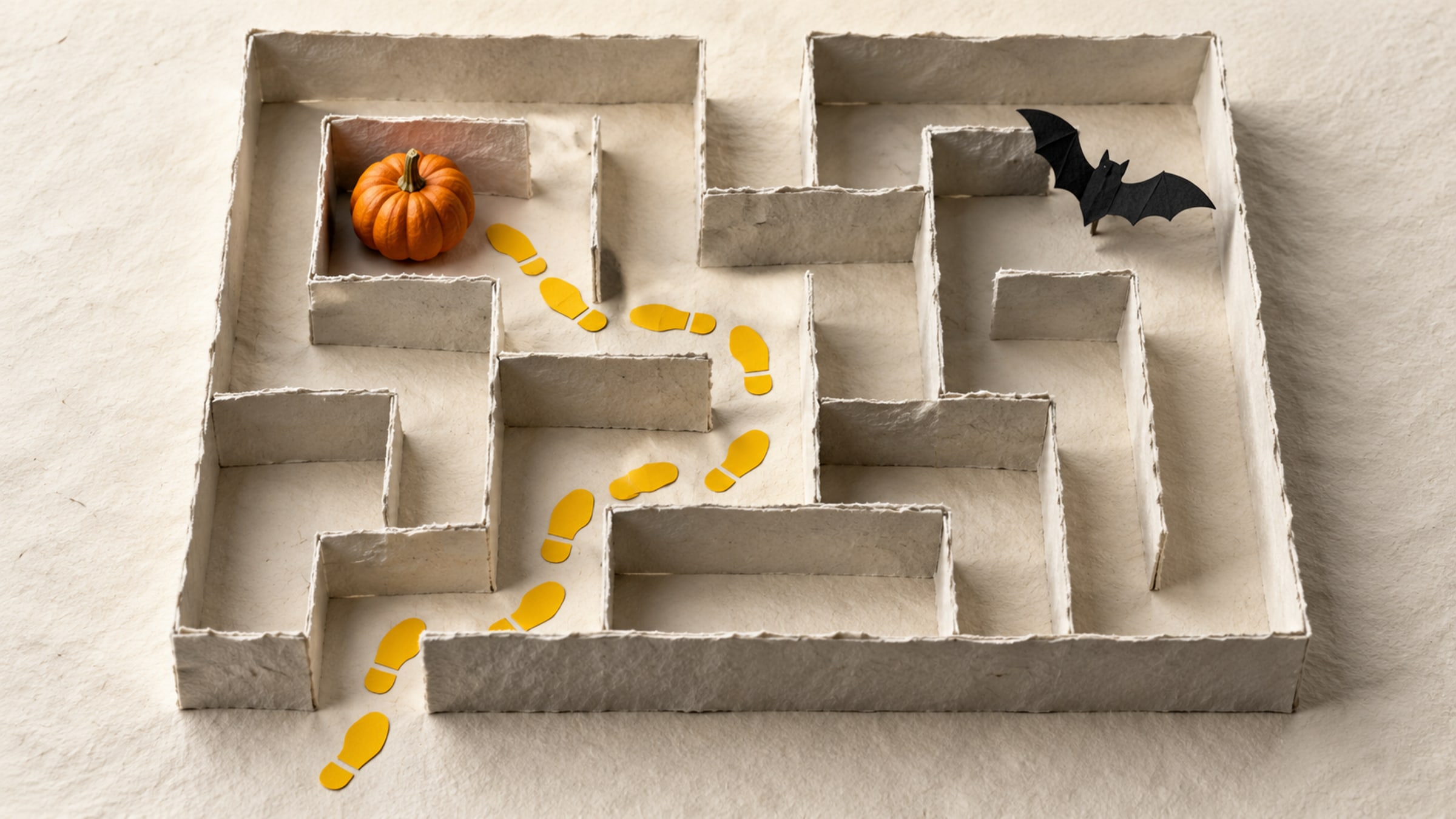
A good Halloween QR code scavenger hunt has an obvious first step and a finish people can recognize. The difficult part is arranging the clues so nobody spends the evening wondering whether they missed a sign.
For a first attempt, use five stops in a familiar space. The example below is a fictional home-party route you can adapt. Walk it yourself before printing anything, and keep all stops in areas where guests are allowed to go.
Each stop needs its own destination page and a clue pointing to the next physical location. If every code opens the same generic page, guests cannot tell where they are in the sequence. Name the pages clearly in your working files, even if the public story uses more atmospheric names.
Replace those locations with ones that suit your venue. Avoid stairs, roads, locked rooms and spaces that require climbing. For children, plan adult supervision and make the route playable as a group with one phone.
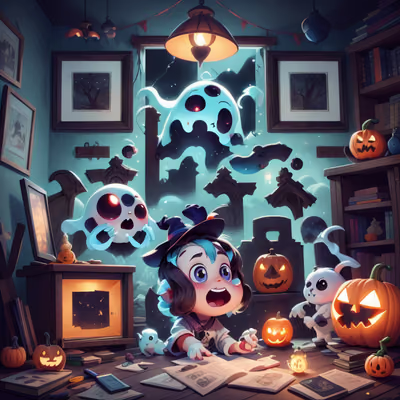
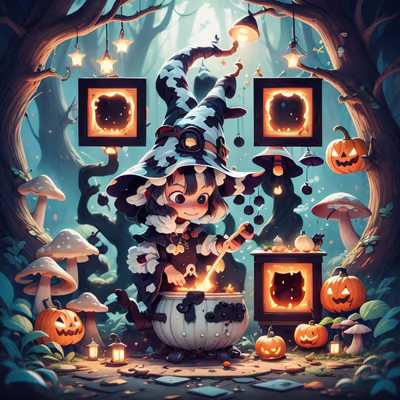
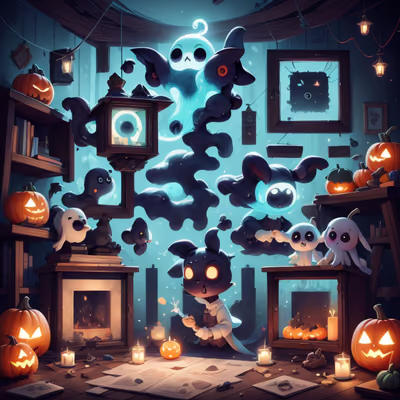
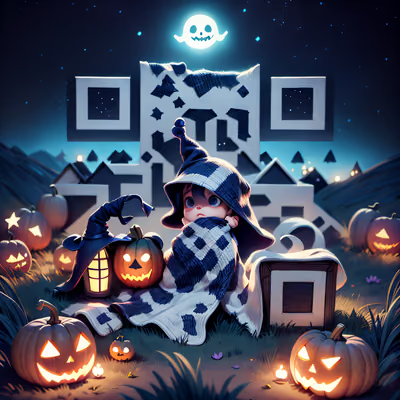
A different character at each stop helps players remember where they have been. The designs below include ghosts, witches and pumpkins. You can use five in sequence and keep the sixth for an invitation or a separate welcome sign.
Label each physical sign with a stop number outside the code. Numbers make it easier for a host to help without giving away the answer. Keep the artwork intact and leave space around it; do not place the number over the code itself.
Put the clue in readable text near the top. Sound and animation can be optional extras, but the instructions should work without them. Avoid requiring players to create an account or provide a name just to read a clue.
Do not put all the answers in a visible navigation menu. A QR trail is still a casual game, not a secure puzzle system: guests may share links or discover a later stop early. Design the story so a small detour does not ruin the event.
Print each clue on a card or place it in an envelope at the same stop. A guest with a flat battery should be able to continue. Keep a host sheet listing every location, destination URL and answer so someone can resolve confusion quickly.
For a larger group, release small teams with a little space between them. Watch for places where scanning creates a queue, and move the sign if people block a doorway.
Ask them to start without verbal hints. Check every printed code under party lighting and confirm that each link leads to the next intended clue. Fix ambiguous wording before adding more decoration.
If you prefer a single prop with a hidden story instead of a route, use the ideas in Halloween QR decorations. Keep the final print files and clue pages together for next year.
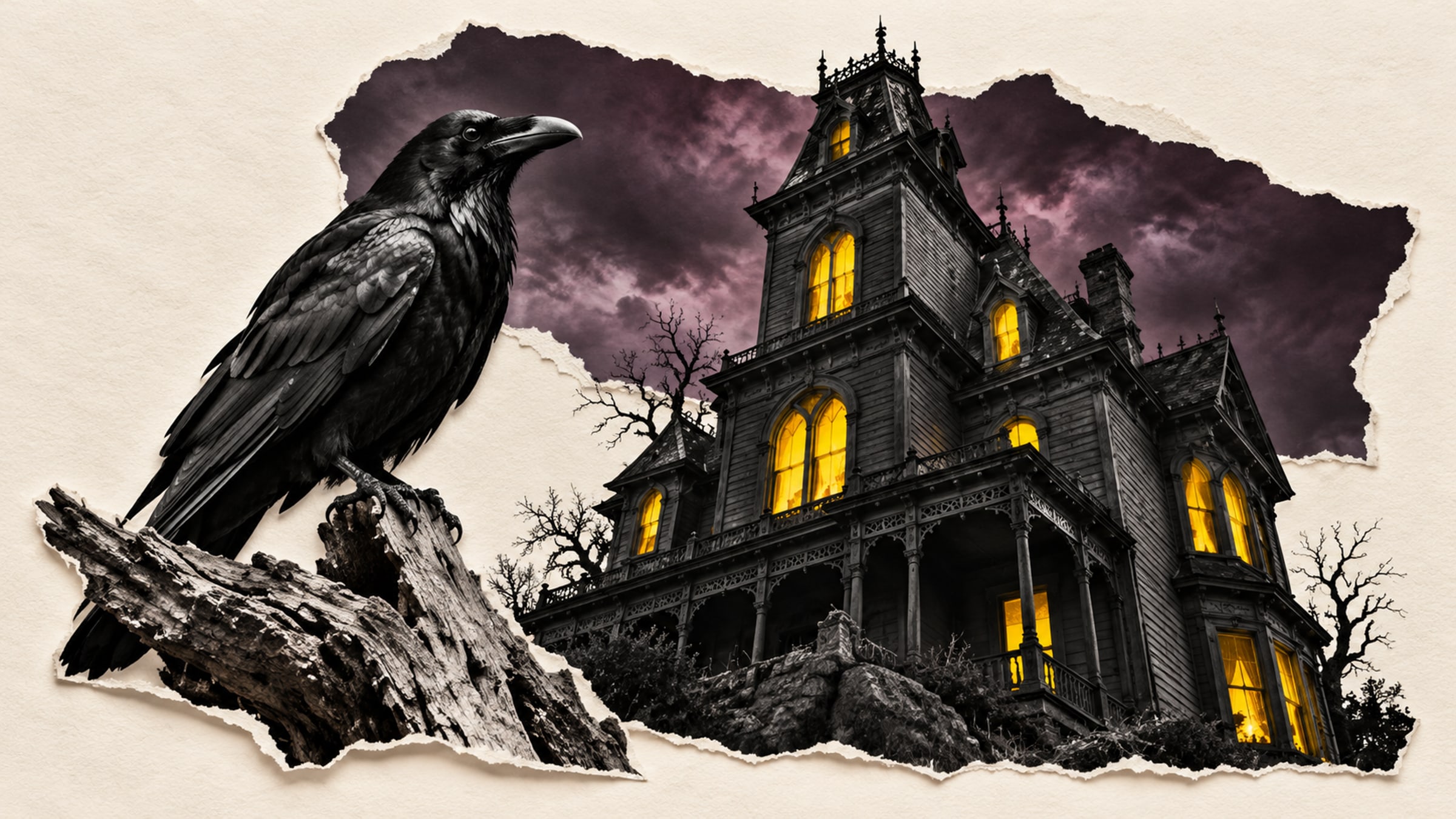
Give a haunted portrait a voice or let visitors uncover the history of a crooked house. A small scan prompt can become part of the scene.

A family recording tucked into a card can outlast the wrapping paper. Make a keepsake with a link you can maintain and sharing settings you understand.